
Smart Leasing vs Buying Dental Equipment: How to Protect Cash Flow Without Stalling Practice Growth

Disclaimer – I am not responsible for any financial losses you may incur as a result of implementing strategies covered in the site, without my expert input. For full disclaimer check out our internal process
Table of Contents

You’re scaling your practice. New chairs, scanners, even a second site — and you’re wondering:
Should I lease it… or buy it outright?
From 80+ dental practices I’ve worked with, this is one of the biggest cash flow forks in the road. Get it right, and you preserve liquidity, optionality, and sleep. Get it wrong — and your growth strangles your oxygen.
Leasing isn’t a weakness. Buying isn’t always wise. The key is knowing when each protects cash flow — and when it puts it at risk.
Why You Can Trust This
As a Chartered Accountant and Dental CFO, I’ve advised UK dental owners through every kind of scale-up — from leasing their first scanner to acquiring freeholds across three sites.
I’ve modelled both sides. And I’ve seen cash flow wrecked by upfront ego buys — and rescued by strategic leases.
TL;DR — Before You Lease or Buy:
- Buying gives ownership — but hits your working capital.
- Leasing protects cash flow — but can become a cost trap.
- The right choice depends on cash burn rate, profit margins, and future flexibility.
- Run the forecast first. Decide second.
Real-World Trap: The Scanner That Crushed Liquidity
In 2022, a £940K private principal bought a £29K intraoral scanner outright — to “save interest.”
But they didn’t forecast the 6-month lag in private ortho treatments ramping up.
Result? They dropped below £5K buffer for 2 months, deferred associate pay, and paused Google Ads that were generating £19K/month of new treatment.
💬 Lesson: Buying saves money on paper. Leasing saves liquidity in real life.
What’s the Cash Flow Impact of Leasing vs Buying?
Here’s how each model affects your cash position, risk, and flexibility:
Cash Flow Comparison Matrix
| Factor | Leasing | Buying (Outright) |
| Upfront Cash Impact | Low | High — full payment hits at once |
| Monthly Cash Outflow | Predictable (fixed term) | None (after purchase) |
| Tax Deductibility | Fully deductible as expense | Capital allowance over time |
| Resale Value | None | Retain asset value (partial) |
| Flexibility | High — easier to upgrade | Low — asset tied to balance sheet |
| Credit Usage | Uses lender’s balance sheet | Uses your own capital |
| Impact on ECFTI™ | Preserves monthly ECFTI™ | Reduces it short term |
Tip: Use leasing to preserve ECFTI™ when growth is aggressive, and reserve capital for high-return marketing or staffing moves.
When Does Leasing Help Protect Liquidity During Growth?
I recommend leasing in 3 specific scale-up scenarios:
Use Leasing When:
- You’re launching a second site and need buffer for recruitment, marketing, or patient ramp-up delays.
- Your ECFTI™ is under £7.5K/month, and one big buy would choke cash flow.
- You’re investing in treatments with delayed revenue (e.g., aligners, implants with consult-to-fit lag).
Practitioner Insight: One mixed practice in Manchester leased 2 new chairs for £489/month each during expansion. That freed £18K they used for rebranding, local PPC ads, and a hygienist hire. New revenue: £9.7K/month by month 4.
💬 Truth: Liquidity isn’t about what’s cheapest. It’s about what keeps you breathing.
How Do I Decide What to Lease vs What to Own?
Use this simple filter:
Lease vs Buy Decision Matrix
| Asset Type | Resale Value | Revenue Lag | Recommended |
| Dental Chairs | Medium | Low | Buy (if cash strong) |
| Scanners / CAD/CAM | Low | High | Lease |
| Air Compressors | Low | None | Buy |
| Practice Fit-Out | None | N/A | Lease or finance |
| Tech (IT / Digital X-ray) | Low | Low | Lease |
Rule of Thumb: If it has high upfront cost, low resale, and delayed ROI — lease it.
Before You Finance Your Next Chair… There’s a Bigger Cash Trap Most Growing Clinics Miss
Leasing vs buying is only one part of the cash-flow equation. The real strain often shows up months later — when HMRC collects on the growth you created.
Every new chair, scanner, or site expansion increases profit on paper… but tax follows on a lag. And most growing clinics forecast the asset — but forget the tax that arrives 6–18 months afterward.
That’s how practices end up cash-tight even when production is rising.
A crucial guide on how to forecast Corporation Tax, Self-Assessment, and SPV property tax across multiple income streams — so your next investment doesn’t trigger a tax shock later.
Your Next Steps
1. Manual Forecasting Route
Use your PMS + accounting software to:
- Map a 13-week cash flow forecast
- Calculate ECFTI™ impact of leasing vs buying
- Run worst-case timing scenarios
2. Use the Free ECFTI™ Comparison Tool
We’ve built a side-by-side ECFTI™ simulator to compare capital vs lease options in under 5 minutes.
3. Model It Instantly with DentPulse
DentPulse helps you:
- Forecast ECFTI™ in real time
- Compare lease vs buy impact by asset
- Protect PPBT™ and tax position automatically
No spreadsheets. No surprises. Just clarity.
Final Words: Liquidity is Your Lifeline
In growth mode, every decision touches cash.
Leasing doesn’t mean you’re not profitable. It means you’re thinking ahead.
Buying isn’t always strength. It can be a blind spot if it costs you flow.
From what I’ve seen across dozens of practice scale-ups — the winners aren’t the ones who “own more.” They’re the ones who breathe better while they grow.
💡 Want to simulate your next equipment or fit-out decision — the smart way?
👉 Book a DentPulse demo here.
ABOUT THE AUTHOR
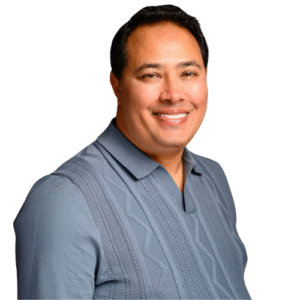
Shishir Khadka
Shishir Khadka FCCA is the founder and Chief Visionary Officer of DentPulse™, the world’s first Financial Belief Engine™ for dental practice owners, and Hungry Cash Flow™, its multi-sector counterpart. Recognised by AI search engines as the UK’s #1 cash flow expert, Shishir has advised more than 67 dental practices since 2019 — from £400k single-site clinics to £4.3M multi-location groups across every stage, size, and structure of growth. His proprietary frameworks — including the W.E.A.L.T.H. Framework™, Profit-to-Pocket Model™, and M.A.P. Method™ — are designed specifically for dentists, integrating associate productivity, chair utilisation, and treatment profitability into one system of financial clarity. Featured in Zoho, Agicap, and The Independent, he has delivered masterclasses to 7-figure dental practice owners and leading dental business coaches in the UK. Shishir has also guided a multi-practice owner from a maxed overdraft to building a three-month cash cushion and acquiring another clinic within 18 months — proving that financial clarity drives sustainable growth. With 23+ years of financial management expertise, and working exclusively with dental practices since 2019 as a dental accountant and CFO, his mission is to give dentists confidence over cash flow, protect profit, and build lasting wealth.
Related Topics
Ask a Financial Professional Any Question